
Bank of Ceylon: A Traveler’s Complete Guide to Sri Lanka’s Biggest State Bank
When I first landed in Sri Lanka, I had no idea how important Bank of Ceylon would become to my travel experience. Let me be honest here. Managing money in a foreign country can be stressful. But this state-owned bank made things so much easier for me. In my opinion, every traveler heading to Sri Lanka should know about this institution. It is the largest state bank in the country. Furthermore, it has branches almost everywhere you go on the island. So let me explain everything I learned during my trips, and I hope it saves you time and worry.
I have traveled to over thirty countries so far. Each country has its own banking system. Some are easy to figure out. Others gave me headaches. Sri Lanka fell somewhere in the middle. But once I found the right bank to rely on, my trip got much smoother. My personal experience is that this national banking institution became my go-to for currency exchange, ATM withdrawals, and even getting local advice from friendly staff members. Let me walk you through everything step by step.
What Is Bank of Ceylon and Why Should Travelers Care?
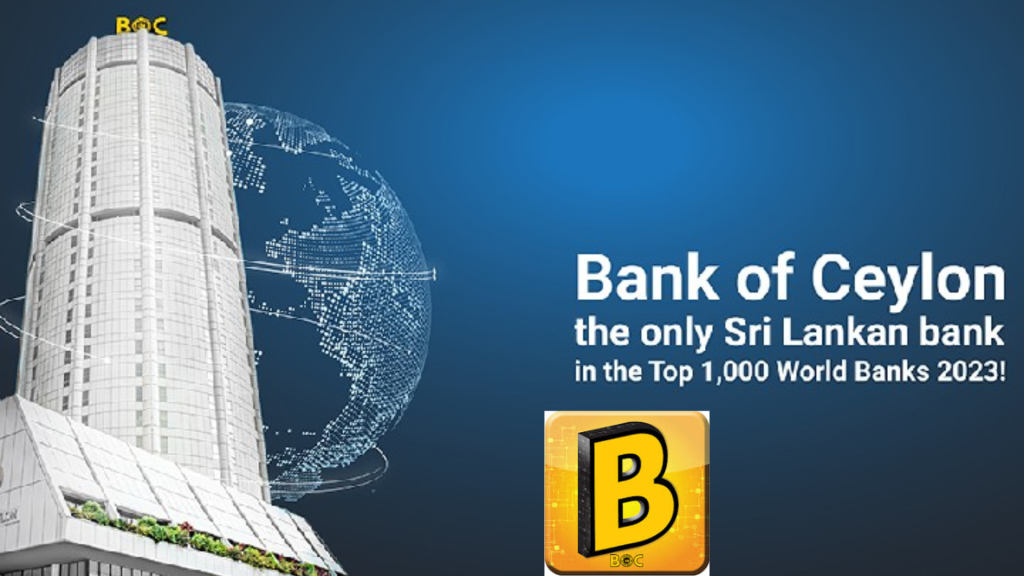
Bank of Ceylon is Sri Lanka’s oldest and largest government-owned commercial bank. It was started in 1939. For travelers, it matters because it has the widest branch and ATM network across the island, making money access simple and reliable.
Now, let me tell you why I think this matters so much. When you travel to a new country, you need a bank you can trust Bank of Ceylon. I’m of the view that government-backed banks give you that extra layer of safety. This one has been around for over eighty years. That kind of history tells me they know what they are doing.
During my first visit to Colombo, I noticed the iconic logo on almost every major street. The branches are easy to spot. They usually have clear signs in both English and Sinhala. In addition to that, most staff members speak basic English. This was a huge relief for me as a foreigner. I did not have to struggle to explain what I needed.
Sri Lanka’s Largest State Bank at a Glance
Here are some quick facts I picked up along the way. This national bank has over six hundred branches across Sri Lanka. It also runs more than seven hundred ATMs island-wide. The headquarters is located in the Colombo Fort area, which is a common spot for tourists anyway. Moreover, it has a few overseas branches too. I found out they operate in places like London, Chennai, and the Maldives. So even before you arrive in Sri Lanka, you might run into one of their offices abroad.
The bank serves millions of customers. It offers savings accounts, loans, foreign exchange, and many other financial services. But as a traveler, I mostly cared about three things. Currency exchange. ATM access. And safety of my money. This institution delivered on all three fronts.
How This National Bank Compares to Private Banks
I also tried using a couple of private banks during my stay. In my opinion, the service at private banks was sometimes faster. However, the exchange rates were not always as good. Sri Lanka’s premier state bank often gave me better rates for converting my US dollars to Sri Lankan rupees. Furthermore, the ATM fees felt lower compared to some private options. Either way, both types of banks work fine for tourists. But my personal experience is that the government bank gave me more peace of mind.
How I Used Bank of Ceylon During My Sri Lanka Trip
During my two-week trip across Sri Lanka, I relied on this government bank for almost all my money needs. I exchanged currency at their Colombo branch, withdrew cash from ATMs in Kandy and Galle, and even used their services in smaller towns.
Let me take you through a typical day. I would wake up at my guesthouse in Kandy. After breakfast, I would check my cash situation. If I was running low, I would find the nearest Bank of Ceylon ATM from this state banking network. Google Maps made this super easy. I just typed in the name and several options popped up within walking distance.
One thing I really liked was the ATM availability. Even in smaller towns like Ella and Dambulla, I found working machines. This was not the case with every bank. Some private bank ATMs in rural areas were often out of cash or out of service. As a result, I started trusting this national institution more than any other.
Currency Exchange at the Main Branch Bank of Ceylon
I exchanged most of my money at the Colombo Fort branch. The process was simple. I walked in with my passport and US dollars. A staff member guided me to the foreign exchange counter. I filled out a short form. Within ten minutes, I had Sri Lankan rupees in my hand. The rate was fair and matched what I saw online.
I’m of the view that exchanging money at the airport is usually a bad idea. Airport rates are almost always worse. So I only changed a small amount at the airport. Then I exchanged the rest at this downtown branch the next day. My personal experience is that I saved about three percent by doing this. That might not sound like much. But over a two-week trip, it adds up.
ATM Withdrawals Across the Island
ATMs from this leading state bank are everywhere. I used them in Colombo, Kandy, Galle, Matara, and even Sigiriya. Most machines accept international Visa and Mastercard debit cards. The withdrawal limit per transaction was usually around 40,000 Sri Lankan rupees. That is roughly 120 US dollars.
One tip I want to share is this. Always choose the option to be charged in the local currency. Some ATMs ask if you want to pay in your home currency. This is called dynamic currency conversion. It sounds convenient, but it gives you a terrible exchange rate. I learned this the hard way during a trip to Thailand years ago. Since then, I always pick the local currency option. It saved me money at every ATM in Sri Lanka too.
Bank of Ceylon Branches Every Tourist Should Know About
Three branches stand out for travelers. The Colombo Fort branch is the main one for currency exchange. The Kandy branch is central and easy to reach. The Galle Fort branch is perfect for south coast travelers.
Let me go into more detail about each one. The Colombo Fort branch sits right in the heart of the city’s financial district. It is close to many tourist spots like the Old Parliament Building and the Colombo Lighthouse. I walked there from my hotel in about fifteen minutes. The building itself is quite impressive. It has that old colonial feel that I love photographing.
The Kandy Bank of Ceylon branch is located near the famous Temple of the Tooth. If you are visiting this sacred site, you will pass the bank on your way. I stopped in to exchange some extra dollars I had. The line was short, and the whole thing took under twenty minutes.
In Galle, the branch near the historic fort area was super handy. After exploring the fort walls and the old Dutch architecture, I popped into the branch to get more cash. It felt safe and well-organized. Furthermore, the staff were friendly and patient with my questions.
Finding Branches in Smaller Towns Bank of Ceylon
Even outside major cities, this national banking institution has a solid presence. I visited Nuwara Eliya for the tea plantations. There was a Bank of Ceylon branch right on the main road. In Trincomalee on the east coast, I found another one near the bus station. Moreover, in Anuradhapura, the branch was close to the ancient ruins area. So no matter where your travels take you in Sri Lanka, you are likely to find a branch or ATM nearby.
My advice is to download the bank’s official app or check their website before you travel. They have a branch and ATM locator tool. It helped me plan my route and know exactly where I could access cash along the way.
Tips for Using Sri Lanka’s State Banking Services as a Foreigner Bank of Ceylon
Foreign visitors can use most basic services at this government bank without any trouble. You will need your passport for currency exchange. ATM withdrawals work with international cards. Just make sure your home bank knows you are traveling to Sri Lanka.
Here is a list of tips I wish someone had told me before my trip. First, always carry your passport when visiting any branch. They will ask for identification for currency exchange and sometimes even for large ATM withdrawals inside the branch. Second, keep your ATM receipts. I always photograph mine with my phone. If there is ever a dispute about a transaction, you will have proof.
Third, check with your home bank about foreign transaction fees. Some banks charge up to three percent per withdrawal. Others charge nothing. I’m of the view that getting a travel-friendly debit card before your trip is one of the smartest moves you can make. In addition to that, notify your Bank of Ceylon about your travel dates. Otherwise, they might block your card for suspicious activity. This happened to a friend of mine in Thailand, and it was a nightmare.
Fourth, avoid exchanging money at hotels or tourist shops. They almost always give worse rates. The official exchange counters at Sri Lanka’s premier financial institution offered me consistently better deals. Fifth, try to withdraw larger amounts less often instead of making many small withdrawals. Each withdrawal may come with a fee. So taking out more at once reduces the total cost.
Staying Safe With Your Money in Sri Lanka Bank of Ceylon
Sri Lanka is generally a safe country for tourists. But I always take basic precautions with my money. I never carry all my cash in one place. I split it between my wallet, my daypack, and my hotel safe. In my opinion, this simple habit can save you from a lot of stress.
At ATMs, I always check the machine for anything strange before inserting my card. Skimming devices are rare in Sri Lanka. But I picked up this habit from traveling in Europe and I stick with it everywhere. Furthermore, I always cover the keypad when entering my PIN. These small steps take just a few seconds and give me peace of mind.
Another thing I do is keep a backup card. If one card gets lost or blocked, I still have another way to get cash. My personal experience is that having two cards from different banks is the ideal setup for any international trip.
My Experience With Customer Service at Bank of Ceylon
The customer service I received at this state-owned bank was surprisingly good. Staff were polite, helpful, and many spoke English well enough to assist me. Wait times varied, but I never waited more than twenty minutes.
Let me share one specific experience. In Kandy, I had a problem with an ATM that swallowed my card. Yes, it really happened. I walked into the nearest branch and explained the situation. A manager came out to help me within five minutes. He made a phone call, filled out some forms, and told me the card would be returned within two business days. Since I was staying in Kandy for three more days, this worked out fine.
The next morning, I got a call at my guesthouse. They had retrieved my card. I went back to the branch, showed my passport, signed a form, and got my card back. The whole process was smooth. I was honestly impressed. In many countries, a swallowed card means you lose it forever. But this experience showed me the value of walking into a real branch and talking to real people.
Sri Lanka’s Premier Financial Institution Online Bank of Ceylon
I also explored the bank’s online and mobile services. While I did not open a local account, I did use their website to check exchange rates and find branch locations. The website is fairly easy to navigate. It has an English version, which helped a lot.
For travelers who plan longer stays, this government bank does offer non-resident accounts. I spoke to a staff member about this out of curiosity. She explained that you need your passport, a visa, and proof of address in Sri Lanka. The process seemed straightforward. If I ever spend a few months in Sri Lanka, I might consider opening one. As a result, I would avoid constant ATM fees from my home bank.
Common Mistakes Travelers Make With Banking in Sri Lanka
The biggest mistake I see other travelers make is not planning their banking needs before arriving. Many people assume they can use credit cards everywhere. But Sri Lanka is still largely a cash-based economy, especially outside Colombo.
Here are the most common mistakes I have seen. First, relying only on credit cards. Many small shops, tuk-tuk drivers, and local restaurants do not accept cards. You need cash. Second, exchanging money at the airport and thinking you got a good deal. You did not. Airport rates are always worse. Third, not telling your home bank about your travel plans. This leads to blocked cards and panic.
Fourth, withdrawing tiny amounts of cash multiple times a day. Each transaction may carry a fee. So it is smarter to withdraw a larger amount once. Fifth, ignoring the local currency option at ATMs. Always choose to be charged in Sri Lankan rupees, not your home currency. I’m of the view that these five mistakes cost tourists hundreds of dollars every year. Moreover, they are all easy to avoid with just a bit of planning.
How This National Bank Supports Sri Lanka’s Tourism Industry
Sri Lanka’s leading state bank plays a big role in the country’s tourism economy. It provides banking services in tourist-heavy areas, supports local businesses with loans, and ensures foreign visitors can access their money easily across the island.
Tourism is one of Sri Lanka’s biggest industries. I noticed that in every major tourist town, this government bank had a visible presence. ATMs near popular attractions like Sigiriya Rock, the Temple of the Tooth, and Galle Fort made my life easy. In addition to that, many local guesthouse and hotel owners bank with this institution. When I paid for accommodation in cash, some owners would walk to the nearest branch to deposit the money right away.
I also learned that this bank offers special loan programs for small tourism businesses. A guesthouse owner in Ella told me she got a loan from them to renovate her property. She said the interest rate was reasonable and the approval process was smooth. Stories like this showed me how the bank connects to the wider travel experience in Sri Lanka.
Furthermore, the bank’s foreign exchange services help keep the tourism economy running. Without reliable currency exchange, foreign visitors would struggle to spend money in the country. So in a way, this institution is a quiet but important part of every traveler’s Sri Lanka experience.
The Role of State Banking in Local Communities
Beyond tourism, I saw how this Bank of Ceylon serves everyday Sri Lankans. In small villages, the local branch is often the only bank available. Farmers, shopkeepers, and teachers all rely on it. This gave me a deeper appreciation for the institution. It is not just a tourist convenience. It is a lifeline for millions of people.
Seeing this side of the bank reminded me why I love traveling. You learn about how a country really works. In my opinion, understanding the local banking system is just as important as knowing the best beaches or temples. It gives you a fuller picture of the place you are visiting.
Final Thoughts on Traveling With Bank of Ceylon
If you are planning a trip to Sri Lanka, I strongly recommend getting familiar with this state-owned bank. It will make your money management simple, safe, and affordable. My personal experience across multiple visits has been consistently positive.
Traveling is about having great experiences. Worrying about money should not ruin your adventure. By knowing where to find branches and ATMs, understanding exchange rates, and following the tips I shared above, you can focus on what really matters. Exploring beautiful Sri Lanka.
I have climbed Sigiriya Rock at sunrise. I have taken the famous train ride through tea country. I have surfed in Arugam Bay and watched elephants in Udawalawe. Through all of these incredible experiences, this national financial institution was always there in the background, keeping my money safe and accessible. Either way, whether you are a backpacker on a tight budget or a luxury traveler, having a reliable bank behind you matters.
So before your next trip to Sri Lanka, take a few minutes to learn about this bank. Check their ATM locations. Know the exchange process. Follow my tips. Your future self will thank you.
FAQ:
Q1: Can I exchange US dollars at Bank of Ceylon as a tourist?
A1: Yes, you absolutely can. I did this myself at the Colombo Fort branch. You just need your passport and the cash you want to exchange. The process took me about ten minutes. In my opinion, their rates are among the best you will find on the island.
Q2: Do the ATMs of this state bank accept international cards?
A2: They do. I used my Visa debit card at multiple ATMs across Sri Lanka without any issues. Mastercard works too. Just make sure you tell your home bank you are traveling. Otherwise, they might block your card for security reasons.
Q3: Is it safe to use ATMs from this government bank at night?
A3: My personal experience is that I used ATMs during the evening hours a few times and felt safe. Most machines are located in well-lit areas near branches or shopping centers. However, I always recommend being cautious and aware of your surroundings, just like in any country.
Q4: Can I open a bank account at this institution as a foreigner?
A4: From what I learned by asking the staff, yes, foreigners can open non-resident accounts. You need your passport, a valid visa, and proof of a local address. I have not done this myself yet, but it seems like a good option for long-term visitors or digital nomads.
Q5: What are the ATM withdrawal limits for foreign cards at this national bank?
A5: When I used my international card, the limit was usually around 40,000 Sri Lankan rupees per transaction. That is roughly 120 US dollars. You can do multiple transactions if you need more. But keep in mind that each withdrawal may come with a small fee from your home bank.